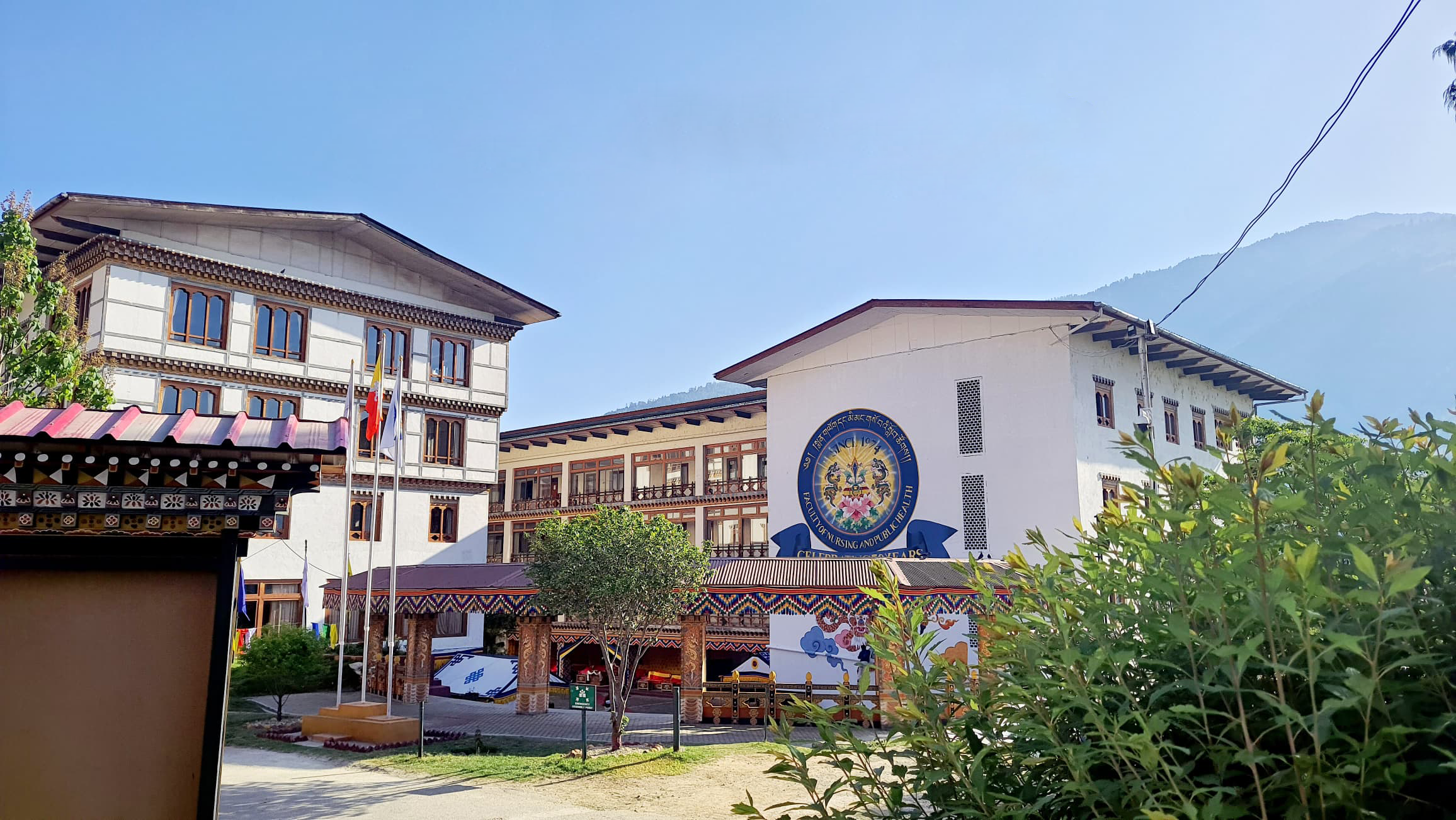
The Faculty of Nursing and Public Health (FNPH) is a prominent constituent faculty within the esteemed Khesar Gyalpo University of Medical Sciences of Bhutan (KGUMSB). It has a history dating back to 1974, when it was first established as the “Health School”. In 1989, it underwent a significant upgrade and was renamed as the Royal Institute of Health Sciences (RIHS), marking a pivotal milestone it its journey. As a testament to its excellence, the RIHS became one of the founding member colleges of the prestigious Royal University of Bhutan (RUB) in 2003. Subsequently, in 2013 it was renamed as the Faculty of Nursing and Public Health under the umbrella of the KGUMSB.
The faculty has grown exponentially over the years, from a humble beginning with 24(12 Health Assistants(HA) and 12 Basic Health workers(BHW)) students in two certificates program (in three classrooms) to nearly 600 students. The faculty offers 17 courses from diploma to bachelor’s programs and also offers Nursing Specialty Certificate programs in various Nursing Specialty and other Public Health and Allied Health certificate courses. Today, the Faculty stands as leading provider of healthcare education in Bhutan, embodying a legacy of academic distinction and dedication to public health.
The Faculty of Nursing and Public Health offers a wide range of programs in nursing, public health, and allied health sciences. Its mission is to provide students with the knowledge and skills necessary to become competent, committed, and compassionate healthcare professionals who can contribute to improving the health of individuals, families, and communities.
The FNPH offers a diverse range of programs designed to equip students with comprehensive clinical skills and knowledge essential for patient care. These programs emphasize the importance of health promotion, disease prevention, and health education, ensuring graduates are well-prepared to make a positive impact on individuals and communities.
In addition to its core programs in nursing and public health, the faculty also offers a variety of specialized programs that focus on research, health systems, epidemiology, environmental health, and health policy. Students have the opportunity to engage in practical experiences, research endeavors, and community-based initiatives, enabling them to translate their knowledge into real-world impact. These programs explore critical aspects of public health, equipping students with the skills and knowledge they need to understand and address complex health challenges, develop evidence-based strategies, and contribute to the improvement of healthcare systems and policies.
The Faculty of Nursing and Public Health (FNPH) plays a critical role in producing skilled healthcare professionals who can meet the growing demand for quality healthcare services in Bhutan. By integrating both clinical and public health disciplines, the faculty aims to produce well-rounded professionals who are equipped to excel in diverse healthcare settings.
The graduates of the FNPH play a pivotal role in managing and providing health services across the country, from the National and Regional Referral Hospitals, district hospitals, to Primary Health Centers (PHCs), and various programs under the Ministry of Health (MoH) and Dzongkhag Health Sectors.
Explore the Faculty of Nursing and Public Health by visiting our website: www.fnph.edu.bt
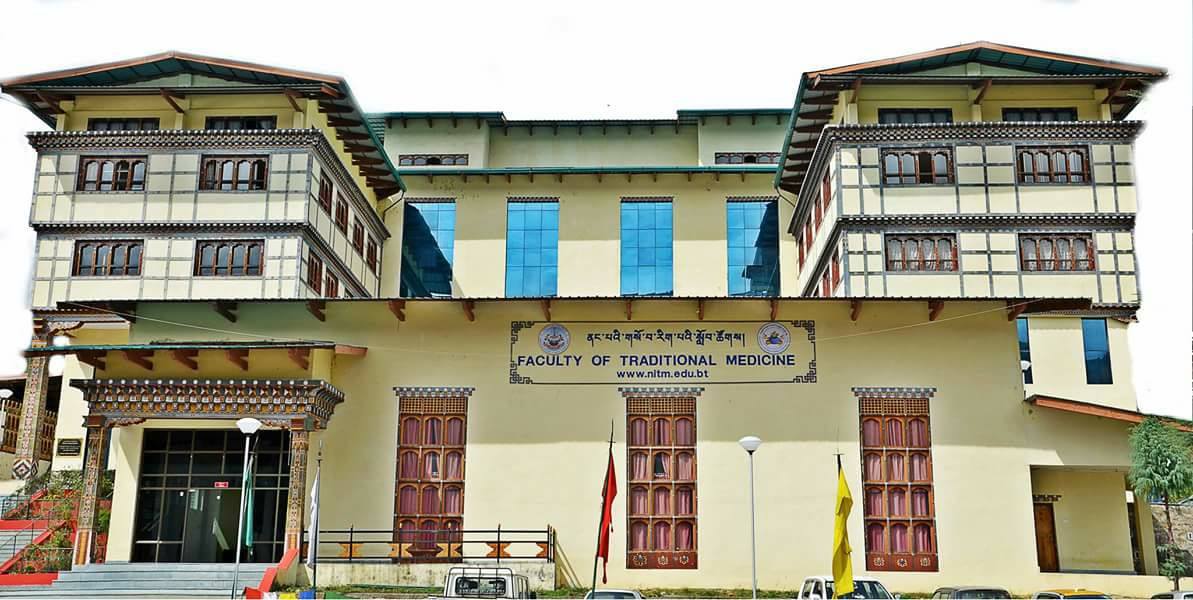
The journey of traditional medicine in Bhutan began in 1967 under the visionary command of the Third King, His Majesty Jigme Dorji Wangchuck. From its humble beginnings as a dispensary in Dechencholing in 1968, the institution has evolved through decades of royal patronage:
Explore the Faculty of Traditional Medicine by visiting our website: www.fotm.edu.bt
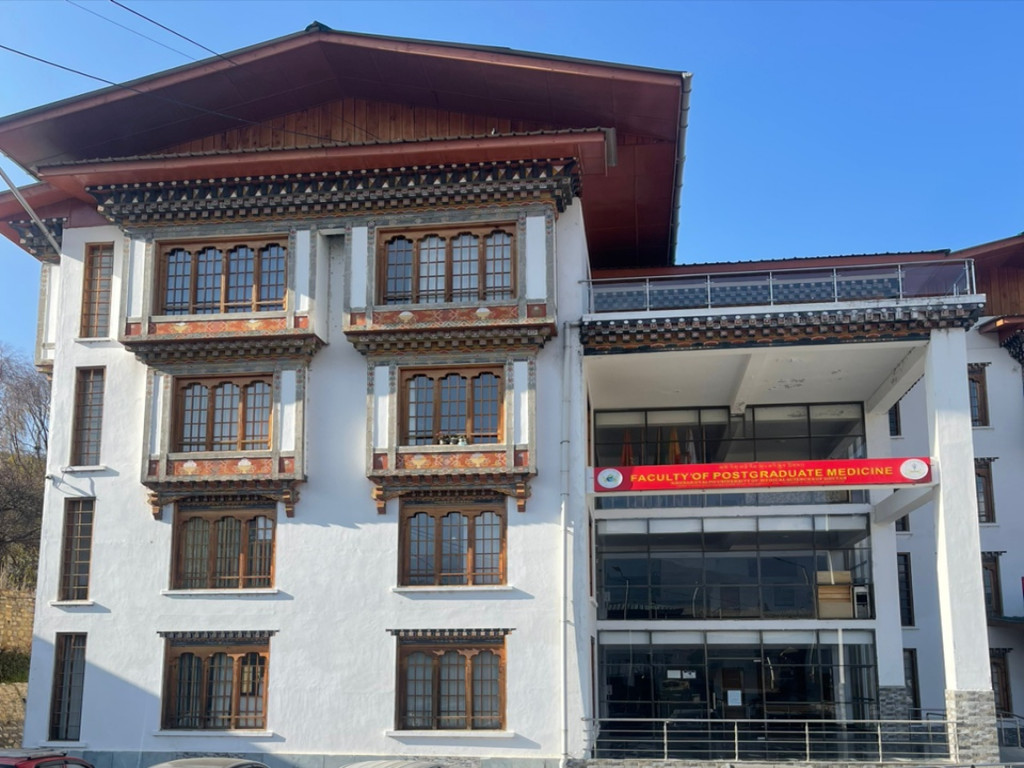
The Faculty of Postgraduate Medicine (FoPGM) at the Khesar Gyalpo University of Medical Sciences of Bhutan (KGUMSB) is the nation's premier institution dedicated to specialized medical education. Established to build a self-reliant healthcare system, the faculty produces high-caliber specialists equipped to provide advanced, humane medical care to the people of Bhutan.
Evolution and Leadership
The journey toward professional specialization in Bhutan began in 2014 with the establishment of the Postgraduate Medical Education Centre (PGMEC). Recognizing the growing need for in-country specialist training, it was formally inaugurated as the Faculty of Postgraduate Medicine on May 14, 2016, by the Honorable Health Minister, Lyonpo Tandin Wangchuk. Today, the faculty is led by its third Dean, Dr. Guru Prasad Dhakal, and continues to expand its academic footprint through outcome-based and learner-centered curricula.
Academic Excellence & Specializations
The FoPGM offers a rigorous four-year Doctor of Medicine (MD) program. The curriculum is designed to balance advanced clinical training with academic integrity and critical inquiry.
Explore the Faculty of Postgraduate Medicine by visiting our website: www.fopgm.edu.bt
The KGUMSB Graduate: The ABCDEF Attributes
Beyond clinical expertise, the faculty is committed to nurturing well-rounded professionals. Every graduate is expected to embody the "ABCDEF" core attributes:
A – Academic Grounding: Mastering evidence-based problem-solving and logical thinking. B – Be Human: Cultivating altruism, self-awareness, and compassion for all patients. C – Cultivate Lifelong Learning: Maintaining a growth mindset and intellectual autonomy. D – Driglam Namzha: Inculcating Bhutanese cultural values, discipline, and a sense of service. E – Ensure Professionalism: Upholding work ethics, accountability, and the nobility of the profession. F – Foster ICT: Embracing digital literacy and innovation in modern medical practice.
By integrating these values into the four-year residency, the Faculty of Postgraduate Medicine ensures that its specialists are not only technically proficient but also deeply rooted in the cultural and ethical fabric of Bhutanese society.
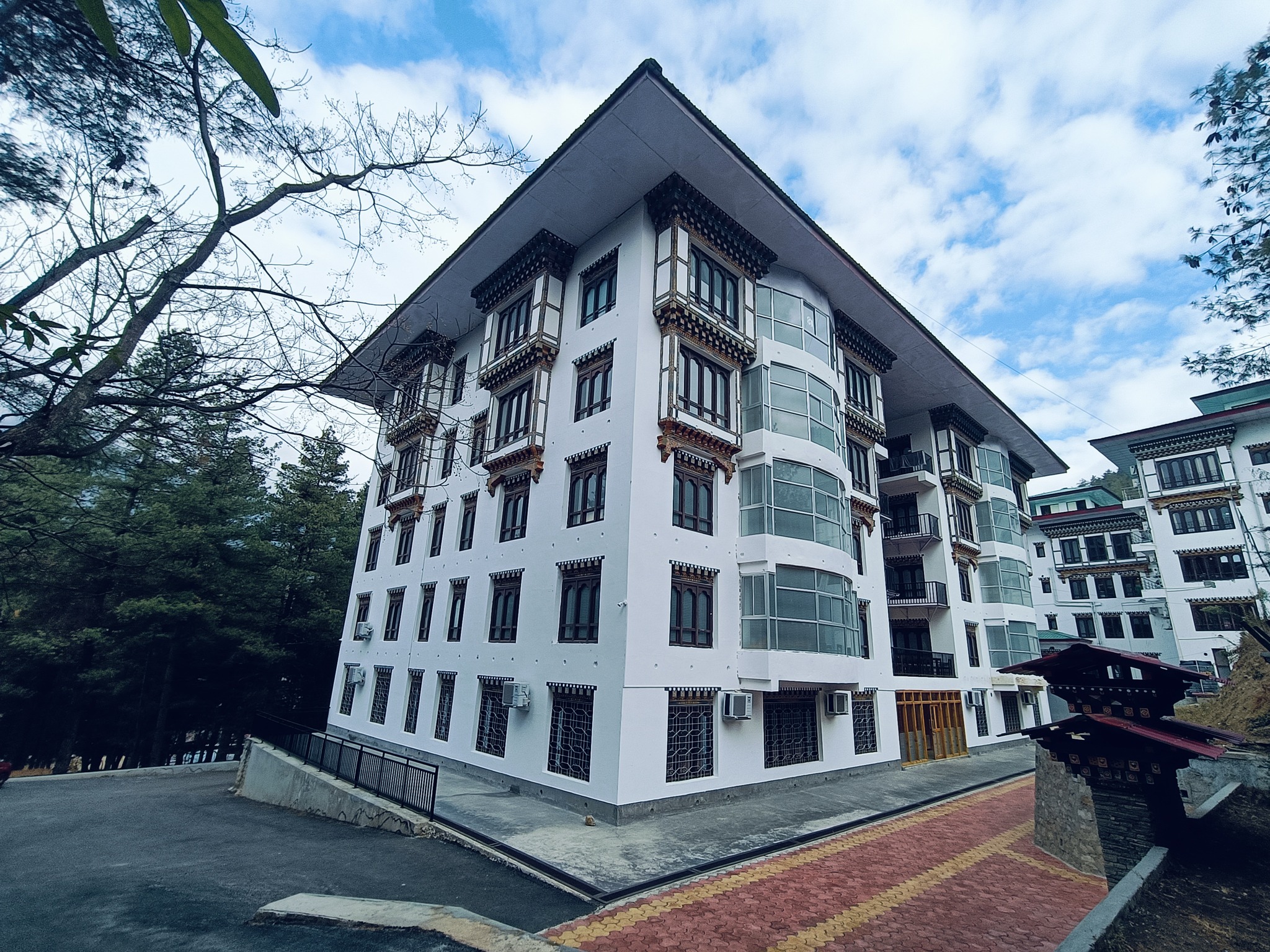
The Faculty of Undergraduate Medicine (FoUM) is the newest cornerstone of medical education in the Kingdom, established to fulfill the long-standing vision of providing high-quality, in-country medical training. As a constituent faculty of the Khesar Gyalpo University of Medical Sciences of Bhutan (KGUMSB), it is dedicated to nurturing the next generation of physicians who are deeply rooted in Bhutanese values and global medical standards.
Milestone Establishment
A historic moment for Bhutan’s healthcare sector occurred on October 13, 2023, when the Honorable Prime Minister, Dasho Dr. Lotay Tshering, formally inaugurated the Faculty. This establishment marked a significant shift toward national self-reliance in producing medical graduates (MBBS) capable of addressing the unique healthcare needs of the Bhutanese population.
The MBBS Program
The primary offering of the Faculty is the Bachelor of Medicine and Bachelor of Surgery (MBBS). The curriculum is meticulously designed to produce graduates who are: Competency-Based: Equipped with the essential clinical skills and core competencies required for modern medical practice. Service-Oriented: Prepared to serve the diverse healthcare needs of the country, from urban centers to remote communities. Innovators: Ready to contribute to the continuous advancement of the medical field within Bhutan and the wider region.
Vision for the Future
By fostering an environment of rigorous academic inquiry and practical clinical experience, the Faculty of Undergraduate Medicine ensures that Bhutan’s future doctors possess the Academic Grounding and Professionalism necessary to sustain a resilient and compassionate health system.
Explore the Faculty of Undergraduate Medicine by visiting our website: www.fougm.edu.bt